
Facelift
in Birmingham, AL
The harsh realities of aging are perhaps more visible on the face than anywhere else on the body. The aging process and the stress of modern life lead to a coarse skin texture, loss of youthful facial fat, and a lack of defined and angular facial contours. The skin and fat descend from the cheeks, jaw, and neck, creating jowls and bags of sagging skin. Facelift surgery offers immense value in countering aging effects and giving the face and neck a more rested and youthful appearance.
While many surgeons perform an extended SMAS technique for facelift surgery, Dr. James C. Grotting has developed a simplified facial rejuvenation procedure known as the delta facelift, a surgical evolution inspired by the results of a patient-oriented questionnaire/survey tool known as FACE-Q. With patient feedback, Dr. Grotting has been able to refine the facelift procedure to produce even more desirable results.
What Is a Facelift?
A facelift is a surgical procedure that rejuvenates the face and improves signs of aging, such as sagging skin, fine lines, wrinkles, jowls, and loss of facial volume. Facelift surgery is performed on patients to restore youthful facial contours, add facial definition, achieve smoother skin, and give people confidence in their appearance.
Am I a Candidate for a Facelift?
If you’re looking for a facial rejuvenation method to improve aging signs, you may be a good candidate for facelift surgery. Other factors that make you a good candidate include:
- In good general health
- A nonsmoker or willing to quit smoking
- Loose facial skin
- Hollow contours due to loss of volume
- Jowls (sagging skin under the jawline)
- Having realistic expectations for surgery
Schedule your consultation with Grotting Plastic Surgery and Medspa to determine if you’re a candidate for a facelift.
What Are the Benefits of a Facelift?
Youthful Facial Contours
In recent years, we have come to understand that the face ages not only by gravitational descent, but also by a noticeable “sinking in” due to the loss of volume. This volume depletion has led to the popularity of dermal fillers to restore facial volume. However, a patient’s fat is the most widely available “filler” for use during facelift surgery. Dr. Grotting commonly uses small amounts of tummy or hip fat to smooth out some of the creases and depressions around the mouth, the dark circles under the eyes, and even the temples and lips. The use of fat has revolutionized facial rejuvenation and gives patients a youthful and soft appearance.
Youthful Facial Definition
Healthy, youthful, and plump skin contains ample amounts of collagen and elastin, two essential proteins that help the tissues maintain their strength and ability to contract after being stretched. Due to the natural depletion of collagen and elastin over time, aging skin becomes progressively more lax and is unable to retract as it could in its youth. Sagging jowls, a turkey neck, and an ill-defined jawline are just a few of the manifestations of facial aging with skin and tissue laxity. Facelift surgery removes the skin that is in excess and tightens the remaining soft tissues to improve facial definition, refine facial lines, and rejuvenate the appearance.
Smooth, Soft Skin
Fine lines, wrinkles, creases, and folds have long been despised as being the first definitive signs of facial aging. As the skin loses elasticity, soft tissues of the face droop, and fat deposits shift and diminish, facial lines inevitably develop and betray the passage of time. Using a unique surgical approach that repositions the soft tissue and tightens the skin, facelift surgery corrects wrinkles and produces smoother skin. The incorporation of fat with the delta facelift surgical technique improves the quality of the skin, helping it to appear soft, full, and healthy.
Youthful Self-Confidence
The confidence of youth can gradually become replaced by discouragement and self-deprecation as time goes by. Unwanted changes to your physical appearance, endurance, strength, and mental clarity can subdue youthful zeal and replace it with insecurity and diffidence. Restoration of a youthful appearance allows the face in the mirror to reflect a younger version of yourself, and this can foster a positive self-image, a powerful sense of self, and unwavering self-confidence.

What Are My Facelift Options in Birmingham, AL?
Delta Facelift
The delta facelift removes excess skin and fat from the face and neck area. This simplified facial rejuvenation technique corrects skin laxity of the face and neck as well as contour problems caused by protruding fat. The surgical incisions start beneath the sideburns and then follow the natural curves and creases where the ears meet the face.
If there is considerable neck skin laxity, the incisions extend behind the ear back into the hairline. The facelift repositions and supports the underlying structures and drooping skin based on the needs identified by the preoperative analysis. Where fat injections are recommended to correct volume loss, liposuction is first performed on an area such as the abdomen or hips, and the harvested fat is processed and reinjected to the face. Based on patient-reported outcomes with FACE-Q, Dr. Grotting has developed a platysmal division technique using two vertically oriented vectors to lift the lower face and jowl area, leading to marked improvements in the appearance of the neck after facelift surgery.
Mini Lift (Short-Scar Facelift)
The mini lift (short-scar facelift) is a generally less invasive procedure that is all some patients may require. It is also sometimes performed after an initial facelift surgery. This procedure may be performed when minimal sagging appears in the facial and neck tissue. As a secondary procedure, sometimes called a facial “tuck-up,” the mini lift can be performed using the same primary surgical incision used in facelift surgery, starting beneath the sideburns and following the curves and creases where the ears meet the face. The mini lift usually requires less surgery than the full facelift procedure and, therefore, has a shorter recovery period.
How Is Facelift Surgery Performed?
Before the surgery begins, you’ll be given IV sedation or general anesthesia to ensure your comfort during the procedure. Then, Dr. Grotting will make incisions on the face in the locations that correspond to the type of facelift you’re getting. The incisions allow Dr. Grotting to reposition the underlying tissues, tighten drooping skin, and remove excess sagging skin. After the adjustments have been made, your incisions will be closed.
What Is the Recovery From a Facelift Like?
As your comfort and safety are our highest priority, we prefer that you spend the first night after your surgery in the Countrywood Inn & Suites behind our facility with one of our caregivers to make sure that your first evening of recovery is as easy for you as possible. We will monitor you to make sure that your recovery is as smooth as it can be.
Most patients will experience some bruising, discomfort, tightness, swelling, and redness for the first few days or weeks of recovery. You can expect to feel (but not usually see) a few little bumps on the skin that will even out over time. You should be able to go out in public wearing makeup within a couple of weeks, but this will vary from patient to patient. It is important to limit your activities for several days and not drive until your doctor gives permission. It will probably be two to three weeks before you can return to work. You may have decreased sensation in your face for a month or so, but the feeling will gradually return to normal. The recovery timeline may be shorter after a mini lift than after the delta facelift.
What Results Can I Expect After a Facelift?
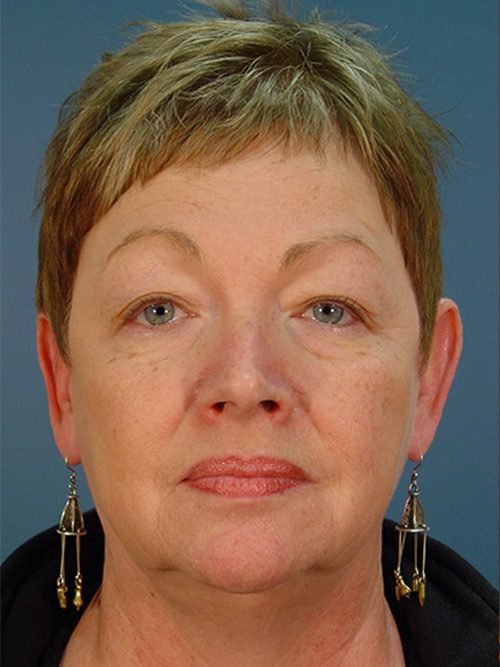
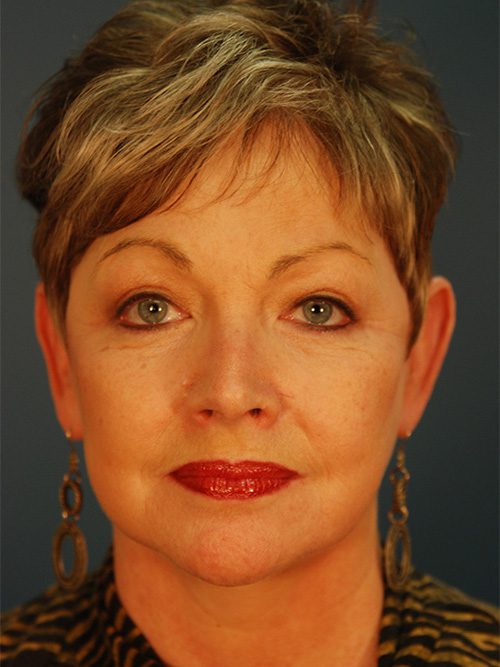
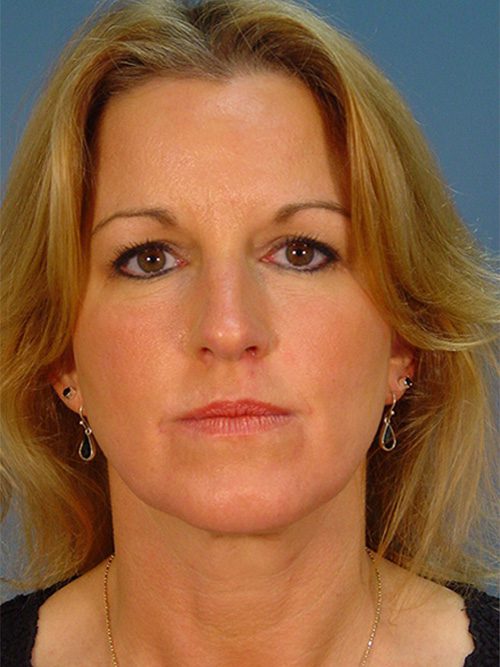
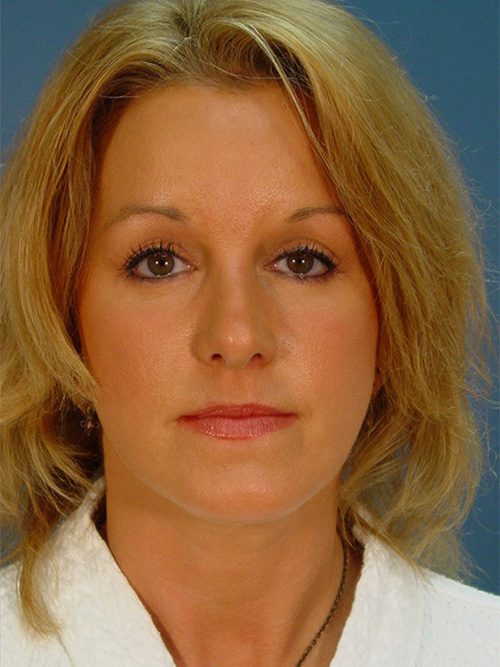
Facelift surgery rejuvenates the facial tissues and can lead to a naturally youthful appearance. The results of facelift surgery are highly dependent on the elasticity of the skin and may be more significant in patients younger than 50. With the modifications that Dr. Grotting has made to the delta facelift based on patient feedback from the FACE-Q questionnaire, his facelift results are now even more pleasing and yield a defined neckline, youthful facial contours, and rejuvenated facial skin.
How to Prepare for Facelift Surgery in Birmingham, AL?
Prior to the facelift procedure, patients meet with Dr. Grotting for a one-on-one surgical consultation. Personal details are discussed, including your facelift goals, medical history, medicine or substance use, and other critical factors. Dr. Grotting will conduct a preoperative analysis to evaluate the quality of your skin, looseness at the jawline, the angle from the chin to the bottom of the neck, and the amount of fat and excess skin present in the neck area. This evaluation determines the details of the facelift procedure. Your treatment plan will be determined, and you will be instructed on how to prepare for the procedure and recovery.
Preparation for your facelift may include getting a lab test, a medical evaluation, or adjusting your medications. You’ll also need to stop the use of any anti-inflammatory drugs before your procedure to avoid increasing bleeding. If you are a smoker, it is essential that you stop smoking at least six weeks before and after surgery.
Why Choose Grotting Plastic Surgery for My Facelift?
Dr. Grotting is famous for his excellent facelift results and is known to provide the most natural-looking outcomes tailored to the individual needs of each patient. At Grotting Plastic Surgery and Medspa, our patients receive high-quality care and attention throughout the consultation, procedure, and recovery process. If you’re ready to do something about signs of aging on your face, then contact Grotting Plastic Surgery and Medspa to start your facelift journey.
Want to Learn More About Facelift Surgery in Birmingham, AL?
Schedule your consultation to learn more about facelift surgery and what your options are in Birmingham, AL. Call us at (205) 930-1600 or fill out our online contact form today.
Frequently Asked Questions
What kind of anesthesia is used?
Facelift surgery can either be done under local anesthetics with sedation or under a light general anesthetic. Many patients prefer the latter simply for comfort and because it allows them to remain asleep for the entire duration of the procedure.
Is a facelift ever combined with other procedures?
The facelift may be combined with other procedures as needed. For instance, if the skin has had extensive damage, additional procedures may be required. Most often, when other procedures are included, a facelift is combined with brow lift surgery, upper and lower blepharoplasty, and/or laser resurfacing.
How long is the facelift procedure?
A facelift is a delicate procedure that may take several hours to perform. When a facelift is combined with other facial procedures, the surgery can last up to six hours.
How soon after a facelift should I get a mini lift?
Following facelift surgery, the aging process continues. The skin continues to lose its elastic properties, and gravity contributes to skin looseness in the lower face and neck. The timing and extent to which this may happen are impossible to predict. Age, genetics, ethnicity, health, illness, stress, nutrition, and other factors all affect how soon a mini lift procedure may be considered or recommended. Not all patients will require a secondary procedure. Schedule your consultation with Dr. Grotting to learn about your options for facial rejuvenation based on the condition of your skin.
What are the risks of facelift surgery?
As with any surgical procedure, the general risks of facelift surgery include bleeding, infection, and anesthesia complications. Though rare, some patients may develop a hematoma, which is a pocket of blood and fluid that must be removed. A little discomfort during recovery is common, but any that occurs should be controlled with pain medication.
Does a facelift leave scars?
There will be permanent scars from the facelift procedure. At first, these will appear red, but they should fade and become inconspicuous. The incision lines are strategically placed to minimize scarring. Following postoperative instructions and having a healthy recovery are among the best ways to reduce the prominence of scarring.
How painful is a facelift?
During facelift surgery, you’ll be given IV sedation or general anesthesia so you won’t feel pain. However, you can expect some tenderness, tightness, and discomfort to be common during the facelift recovery process. Pain medications are provided for your comfort and may be used until they are no longer needed. Discomfort should be minimal. If you experience intense pain, contact your surgeon right away.
How long does a facelift last?
Facelift results are designed to last a long time, and if you take care of your skin, you should be able to enjoy your results for many years to come. However, a facelift cannot stop natural signs of aging from occurring over time. Facelift surgery is generally expected to last around 10 years before aging signs begin to appear again. It’s important to note that facelift patients will always look more youthful after surgery than they would have looked without getting the procedure.
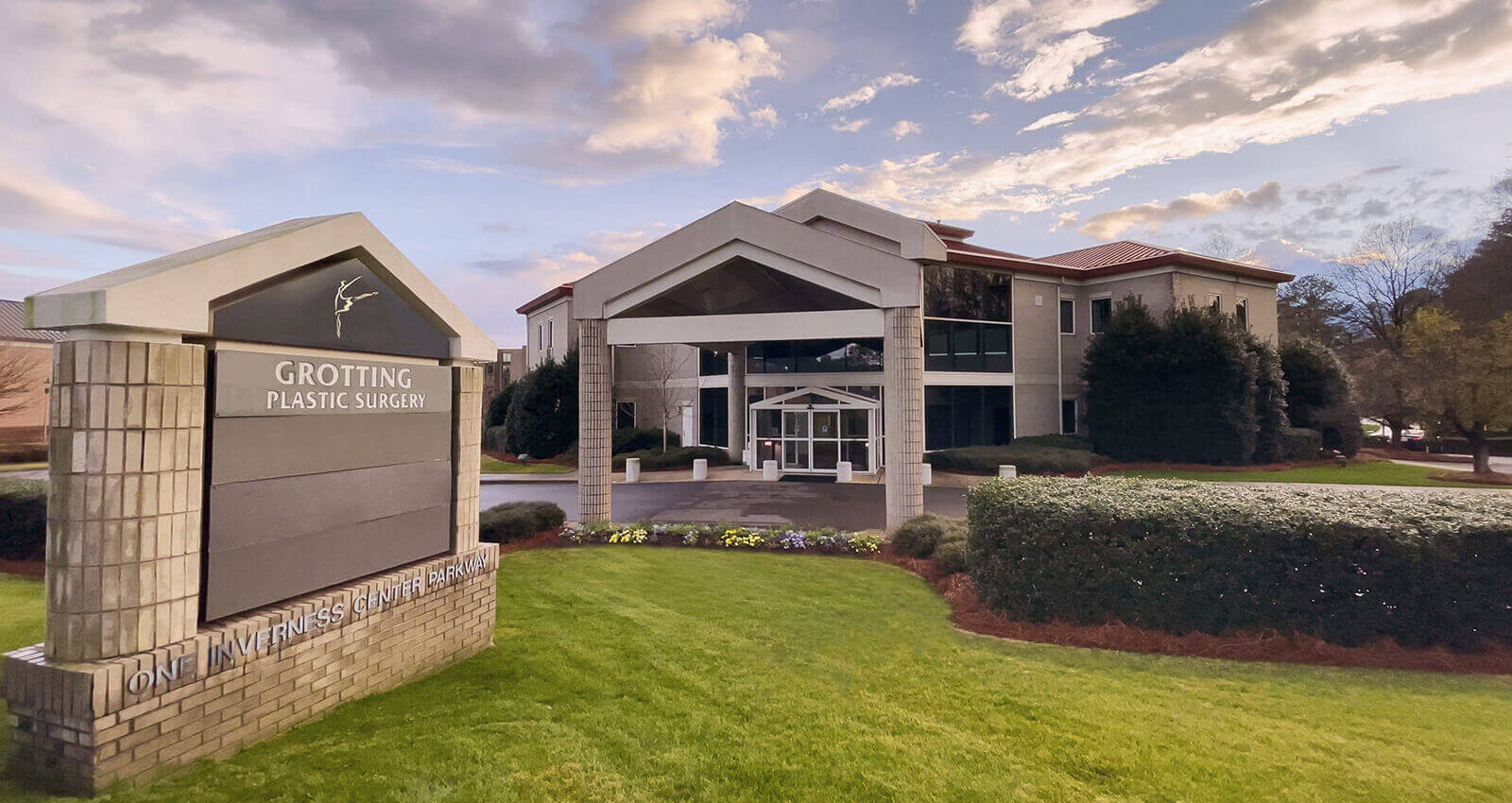
I have the utmost respect for the integrity and skills of Dr. Grotting and his staff. Dr. Grotting is a perfectionist , and gives the look of not having a facelift. I am so glad that I chose him!