
Brow Lift
in Birmingham, AL
You’d like to look as vibrant as you still feel inside. As you age, your skin loses its elasticity and begins to sag, and even your eyebrows may start to droop. Sagging eyebrows may cause you to appear angry, sad, or tired—even when you feel great.
A brow lift can restore the eyebrows to a more youthful position. Repositioning the eyebrows helps reduce the signs of facial aging and gives the eyes a more open look, making you appear more alert and rested.

What Is a Brow Lift?
A brow lift, also called a forehead lift, is a surgical procedure that elevates the brows and reduces forehead wrinkles and frown lines to restore a more youthful appearance. Brow lift surgery is performed on people with sagging eyebrows that cause their eyelids to be hooded, people with creases between their eyebrows, and those with forehead lines.
Am I a Candidate for a Brow Lift in Birmingham, AL?
Brow lift surgery may be a good option if you:
- Are generally healthy
- Are a nonsmoker
- Want to reduce horizontal wrinkles across the forehead
- Have frown lines between the eyebrows that you want to improve
- Have sagging eyebrows
- Want to correct hooded eyelids caused by droopy eyebrows
- Have reasonable goals and expectations for surgery
Schedule your consultation with Grotting Plastic Surgery to determine if you’re a good candidate for a brow lift.
What Are the Benefits of a Brow Lift?
Elevated, Youthful Brows
Eliminating saggy eyebrows gets rid of the tired and droopy look that ages people and often makes them appear older than they are. Lifting the eyebrows gives you a more youthful and alert appearance, allowing your facial expressions to match your moods.
Smooth Forehead
Nearly everyone has vertical lines across the forehead when they move their eyebrows for various facial expressions. These lines tend to be faint and are more apparent in some than others. However, these lines deepen and become more prominent as we age. A brow lift can smooth out harsh lines and reduce the appearance of these forehead wrinkles, giving you a smooth and even forehead.
Reduced Frown Lines
Vertical creases develop between the eyebrows due to frowning and using different facial expressions. Similarly to forehead wrinkles, these lines become more visible as we age. Many people dislike how these lines look and how they can make it look like you’re frowning even when you’re not. Brow lift surgery reduces these frown lines and improves their appearance.
What Are My Brow Lift Options in Birmingham, AL?
Endoscopic Brow Lift
For patients with mildly saggy eyebrows and wrinkles, the endoscopic brow lift can be a great option. During this procedure, Dr. Grotting creates minimal incisions on the hairline and inserts an endoscope—a thin tube attached to a camera—into the scalp. The endoscope allows Dr. Grotting to see the internal structures in the forehead so he can adjust the tissues and muscles in a way that smoothes creases.
Coronal Brow Lift
Also known as an open or classic brow lift, the coronal brow lift is suitable for people with significant brow sagging and deep forehead wrinkles. The incision is made across the top of the head, going from ear to ear, allowing Dr. Grotting to lift the skin and adjust the tissues underneath. The brow will be lifted and stitched into place.
How Is a Brow Lift Performed?
The procedure is performed under local anesthesia with intravenous sedation or general anesthesia, depending on the patient’s preference. Dr. Grotting will discuss which option works best for you during your consultation.
At Grotting Plastic Surgery, we believe it is essential not to over lift the brow but rather to shape it into a youthful aesthetic contour. The tail of the brow should be higher than the inner part. We relax the muscles between the eyebrows and often place a small amount of fat to smooth the skin surface.
During your procedure, Dr. Grotting will make incisions corresponding to the brow lift you chose. Once the incisions are made, he’ll adjust the underlying tissues and muscles of the forehead to smooth out creases and reposition the eyebrows. When the brows are in the correct lifted position, they’ll be stitched into place with special stitches. The incision sites will be closed with sutures or staples. The entire procedure typically takes an hour to complete.
A brow lift can be performed with a facelift or, when appropriate, combined with blepharoplasty.
What Is the Recovery From a Brow Lift Like?
Sutures will be removed in 10 days to two weeks. You should be able to shower and shampoo your hair the morning following surgery.
After surgery, you may experience some numbness and temporary discomfort around the incision that may be controlled with over-the-counter or prescription medications.
Swelling and bruising are normal but usually subside in a few days. You may also experience slight headaches. Ice compresses can help reduce swelling. The cheeks and eyes may also swell, and, in some instances, swelling can even extend down to the jawline. This should all disappear in a week or two.
Most people can resume regular routines within a week after surgery, depending on one’s age and how many procedures are performed simultaneously.
What Results Can I Expect After a Brow Lift?
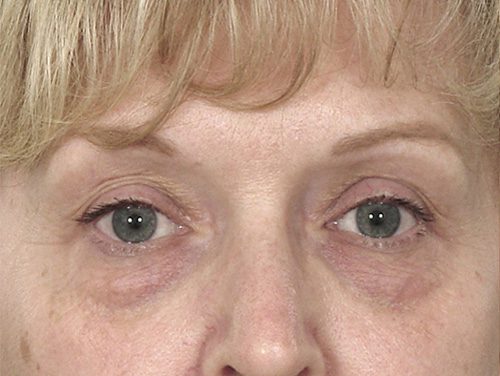
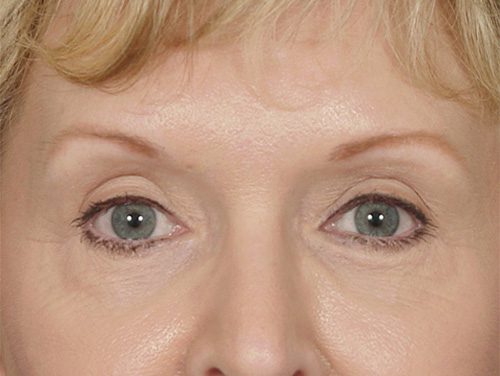
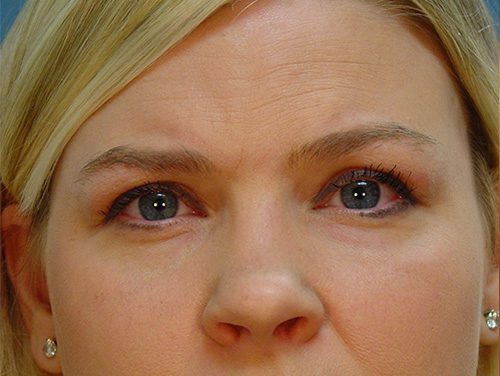
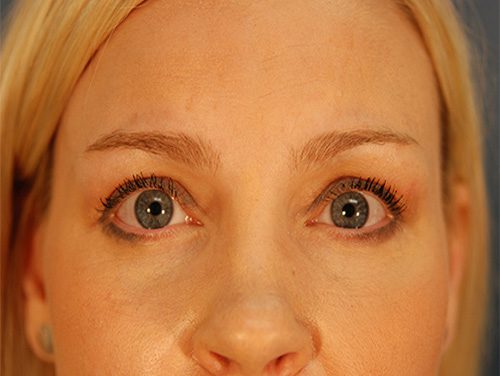
There will be a noticeable difference in your brows immediately after surgery. The full results of your brow lift will be visible once the swelling goes down and your incision sites heal. Once you’re fully recovered, you can enjoy your lifted, youthful brows for many years. Living a healthy lifestyle and wearing sun protection daily are some of the best ways to help maintain your brow lift results.
Brow Lift Results
How to Prepare for Brow Lift Surgery in Birmingham, AL?
One of the first steps in your brow lift journey is a consultation. The consultation is an essential part of the process, as this is when you’ll meet with Dr. Grotting and discuss your medical history, medications, and goals for surgery. Dr. Grotting will also examine your face at this time and come up with a treatment plan to address your concerns and goals.
You may need a lab test or medical evaluation before your brow lift procedure to ensure you’re in good health and suitable for surgery. Smokers will need to quit smoking for a sufficient time before their procedure. If you’re taking medications that increase bleeding, then you’ll need to stop using them before surgery to reduce risks and complications.
Why Choose Grotting Plastic Surgery for My Brow Lift?
At Grotting Plastic Surgery, we’re dedicated to making patients feel comfortable throughout their plastic surgery journey, from their first consultation to their last follow-up appointment. Dr. Grotting is a highly experienced board-certified surgeon who prioritizes making patients confident in how they look. Patients receive high-quality care and attention and can always ask questions after their surgery, no matter how long it’s been since their procedure. If you’re ready to eliminate droopy brows and forehead lines, contact Grotting Plastic Surgery to begin your brow lift journey.
Want to Learn More About Brow Lift Surgery in Birmingham, AL?
To learn more about brow lift surgery and your options in Birmingham, AL, call (205) 930-1600 or fill out our online contact form today.
Brow Lift Frequently Asked Questions
What risks are associated with brow lift surgery?
As with all surgical procedures, bleeding and infection can occur. Hair loss may occur around the incision sites. In rare cases, the nerves that control the movement of the eyebrows may be injured, resulting in an inability to raise the eyebrows or wrinkle the forehead.
Are brow lifts painful?
Because of the anesthesia, you won’t feel pain during your brow lift procedure. However, you may experience some pain and mild discomfort during your recovery in the treatment area.
How much does a brow lift cost in Birmingham, AL?
Your brow lift cost will depend on anesthesia fees, hospital/surgical facility costs, pre-surgery medical tests, prescriptions for medication post-surgery, and your surgeon’s fee.
How long does a brow lift last?
Brow lift results are designed to be long-lasting; however, they cannot prevent natural signs of aging from occurring. Wrinkles may form in the brow area over time, but they will not be as severe as before surgery.
I have the utmost respect for the integrity and skills of Dr. Grotting and his staff. Dr. Grotting is a perfectionist , and gives the look of not having a facelift. I am so glad that I chose him!